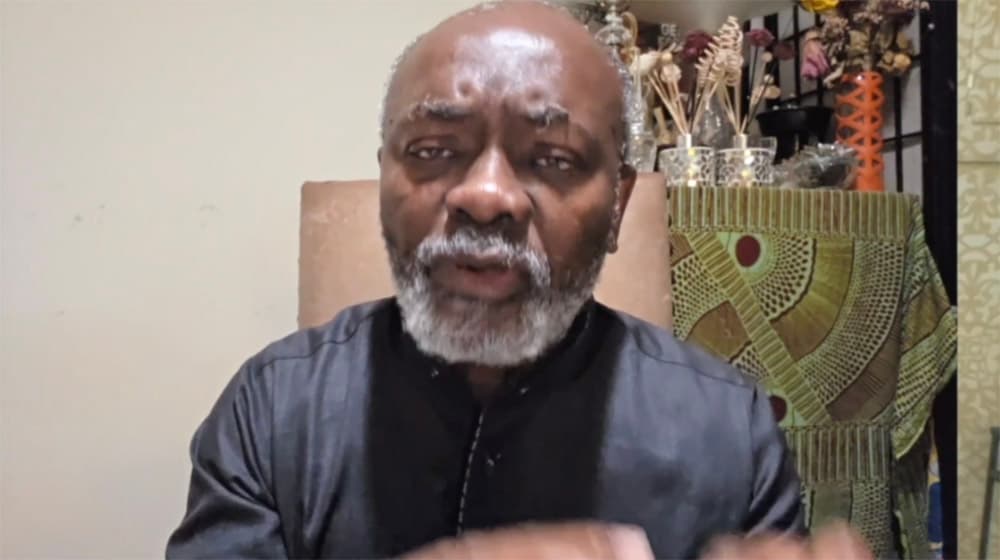
Editor’s note: Gnaka Lagoke served for more than two years as chairman of the scientific committee preparing the Ninth Pan-African Congress in Lomé, Togo. Although he ultimately did not attend the Congress, he played a significant role in shaping its intellectual agenda. In an interview with Global South Watch in May 2026, he reflected on the Congress’s achievements, its limitations, and the future of Pan-Africanism.
When more than 2,000 delegates from Africa and the global African diaspora gathered in Lomé, Togo, in December 2024 for the Ninth Pan-African Congress, expectations were high. The Congress sought to revive one of the twentieth century’s great political traditions: bringing together Africans and people of African descent to discuss the continent’s future, strengthen ties across the diaspora, and advance the ideals of Pan-African unity.
For many participants, the Congress represented an important symbolic milestone. Yet behind the speeches and ceremonies lay years of intellectual preparation and political negotiation, much of it invisible to those attending the event.
One of the people most deeply involved in shaping that process was historian and Pan-African scholar Gnaka Lagoke. Although he ultimately did not attend the Congress itself, he spent more than two years helping develop its intellectual framework as chairman of its scientific committee. In an interview with Global South Watch, Lagoke offered a rare look inside the planning process and reflected on both the achievements and the shortcomings of the Congress.
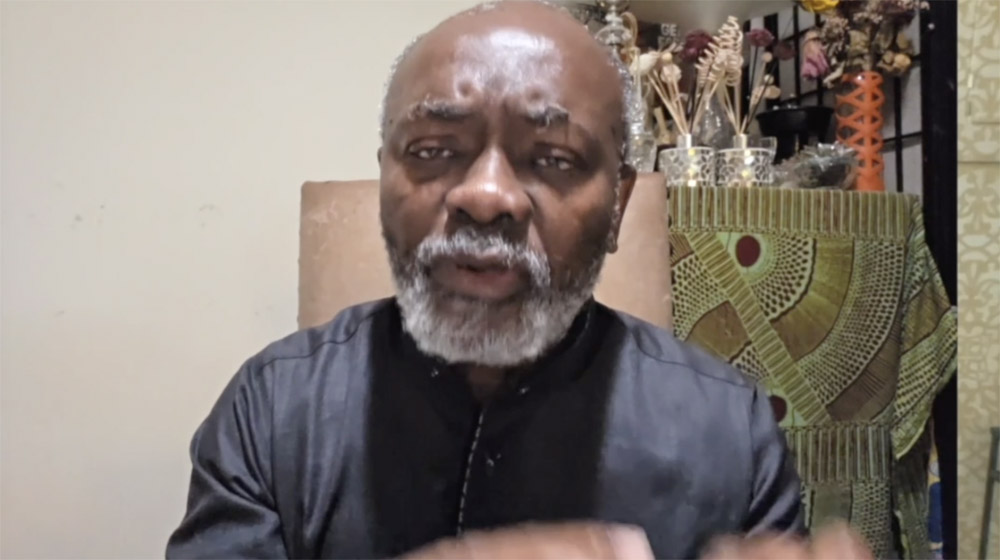
Lagoke’s involvement began in 2023 after he met Togolese foreign minister Robert Dussey, who had taken the lead in organizing the Congress. After presenting his ideas on Pan-Africanism during an earlier event, Lagoke was invited to submit a proposal outlining how the Congress should be organized. The proposal was well received, and Dussey asked him to serve as chairman of the scientific committee.
Although the position carried no salary, Lagoke accepted because he saw the Congress as an opportunity to advance causes he has devoted his career to promoting.
Over the next two and a half years, he worked on the Congress’s intellectual content, drafted resolutions, promoted the event internationally, and advised organizers on its overall direction. Originally, he expected to assemble an independent scientific committee composed of scholars from across Africa and the diaspora. Instead, he found himself working largely with officials from the Togolese Foreign Ministry, while continuing to consult informally with researchers and Pan-African thinkers in his own network.
Among the ideas Lagoke considers his most important contributions were two themes that became central to the Congress: reparations and Ubuntu.
The question of reparations for slavery and colonialism has become increasingly prominent throughout Africa and the diaspora. Lagoke proposed that reparations become the focus of a pre-Congress gathering held in Brazil, connecting the Congress to broader international campaigns seeking historical justice.
The proposal initially encountered resistance within the African Union. Ghana had already been designated as the Union’s lead country on reparations, and some officials feared that Togo’s initiative might appear to compete with Ghana’s role.
Lagoke believes he found a diplomatic solution. Having participated in Ghana’s own conference on reparations, he argued that the Brazilian meeting would reinforce—not duplicate—the work already undertaken there. Rather than presenting a competing initiative, the diaspora gathering would help implement the resolutions already adopted by African leaders.
The strategy succeeded, allowing reparations to become an important part of the broader Congress agenda.
Lagoke also introduced the concept of Ubuntu, the Southern African philosophy emphasizing shared humanity, mutual responsibility, and the idea that individual well-being depends upon the well-being of the community.
For him, Ubuntu provides more than an ethical ideal. It offers a philosophical foundation for Pan-Africanism itself. Political unity, he argues, must be rooted in a deeper understanding of solidarity, justice, and collective responsibility among African peoples worldwide.
While these intellectual contributions were welcomed, another issue proved far more contentious.
Throughout his discussions with the Togolese government, Lagoke insisted that the Congress should acknowledge concerns about democracy and political freedom within Togo itself. In particular, he urged organizers to address the issue of political prisoners.
His reasoning was both practical and principled. If Togo wished to present itself as a leader of contemporary Pan-Africanism, he believed it should demonstrate that leadership through concrete commitments to democratic reform and national reconciliation.
According to Lagoke, ministry officials softened many of these proposals during the drafting process. References to political openness remained, but in a much less direct form than he had advocated.
For him, the issue extended beyond Togo’s domestic politics.
Pan-Africanism, he argues, cannot be separated from questions of political legitimacy and democratic accountability. A movement seeking to promote African unity must also confront the realities of governance, civil liberties, and political inclusion across the continent.
The Congress itself, however, devoted relatively little attention to those issues.
Lagoke suggests that this represented one of its principal shortcomings.
Another disappointment concerned his own role. Despite having worked on the project for more than two years, he ultimately did not attend the Congress. Although he declined to discuss the circumstances in detail during this interview, he indicated that disagreements with the organizers prevented his participation.
Rather than dwelling on those differences, however, Lagoke focused on what he believes is the larger challenge facing Pan-Africanism today.
Too often, he argues, conferences generate enthusiasm but fail to create institutions capable of carrying their decisions into practice.
Here Lagoke turns to history.
He has spent years researching the All-African Peoples’ Conference, convened by Kwame Nkrumah in Accra in 1958. That gathering, he notes, was not simply an isolated event. It established a permanent organization that continued meeting in Tunisia, Egypt, and elsewhere, helping sustain collaboration among anti-colonial movements during Africa’s independence era.
In Lagoke’s view, this institutional continuity offers an important lesson for the present.
He proposed that the Ninth Pan-African Congress establish a permanent body called the All-African People’s Congress, consciously echoing the earlier movement while creating an organization capable of implementing the resolutions adopted in Lomé.
To his disappointment, that proposal does not appear to have been incorporated into the Congress’s final declaration.
For Lagoke, this omission reflects a broader challenge confronting contemporary Pan-Africanism. The movement has no shortage of conferences, declarations, or inspiring speeches. What it often lacks are durable institutions able to coordinate action long after delegates have returned home.
His vision of Pan-Africanism therefore extends beyond symbolic unity. It combines historical justice through reparations, ethical principles grounded in Ubuntu, democratic legitimacy, and permanent institutions capable of transforming ideas into sustained political action.
As Africa’s place in an increasingly multipolar world continues to evolve, those questions may prove as important as the Congress itself.
Whether future Pan-African gatherings can build the lasting institutions Lagoke envisions remains an open question. But his reflections offer a reminder that the success of any movement depends not only on the conversations it begins, but on the organizations it leaves behind.