
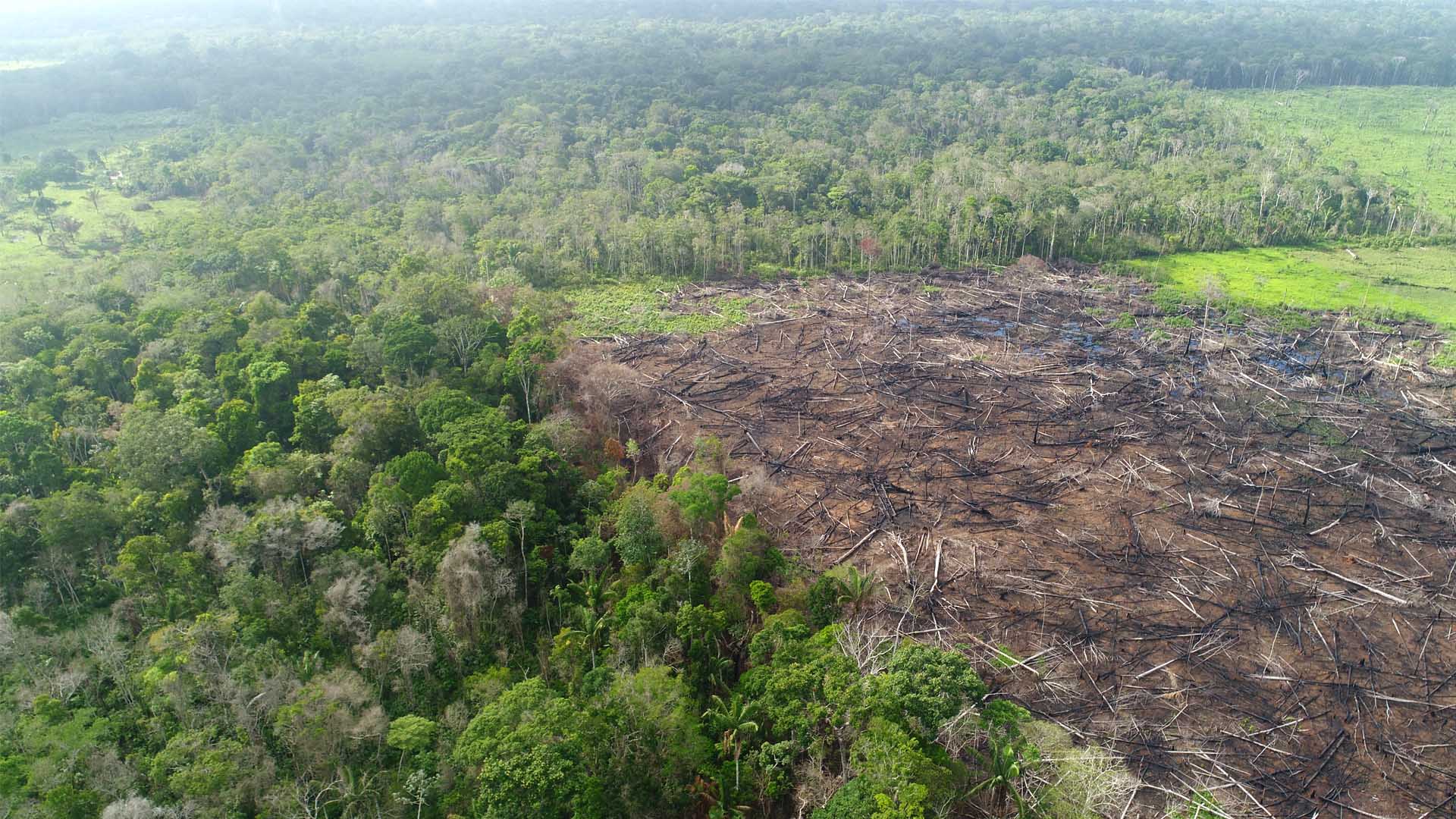

Forests store massive amounts of carbon and at the same time support hundreds of millions of livelihoods. But illegal logging, gold mining, oil extraction, coca cultivation, and drug trafficking, as well as agricultural expansion, threaten the Amazon, the world's largest rainforest. In 2025 the Peruvian Amazon alone lost some 200,000 hectares of natural forest (Reuters).
Because indigenous livelihoods are so tied to the health of the Amazon, which is also "the lungs of the planet," the ongoing threats to the Amazon are at once a local and global environmental issue, as well as an economic matter and a human rights concern.
For indigenous people in these areas, forested lands are essential to their community well-being. They have mobilized energetically, at the community level, to protect their lands from deforestation.
Over the past decade, as environmental groups work to protect Amazon forests and promote sustainable forest management, they have found indigenous communities to be exceptionally effective in the struggle against deforestation.
Perhaps because they are so effective, indigenous forest defenders have been murdered and face ongoing threats of violence. In Peru, thirty-five Indigenous leaders have been killed in the past decade and a half, according to Global Nature Watch. Most of these murders go unpunished.
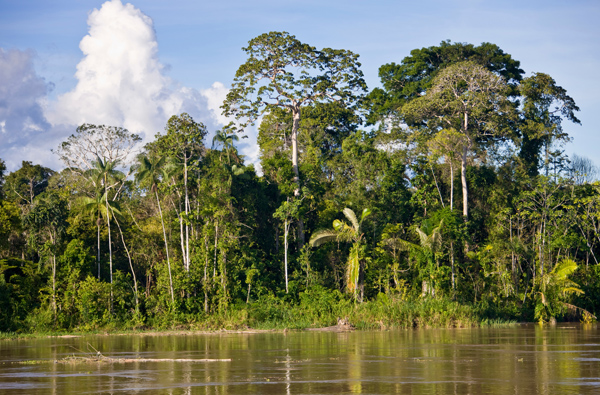
So it was meaningful when Pope Leo XIV, while visiting Peru, condemned not only deforestation but the killings of Indigenous territorial defenders. "Many Indigenous leaders have been murdered for defending their territories," Leo said in the city of Pucallpa, in the Peruvian Amazon, on November 15. "The blood of these brothers cries out to God and demands justice!"
Leo spent two decades as a missionary and bishop in Peru and, although originally from the United States, is a Peruvian citizen.
He warned that "patterns of exploitation and economic activity ... threaten the balance of creation." Speaking to indigenous leaders, the pope said, "You know well the damage caused by indiscriminate deforestation and the pollution of rivers and other waters through illegal mining and oil spills," the pope told the Indigenous leaders. "These are not isolated accidents, but the consequences of the irresponsible exploitation of natural resources, which undermines the very existence of communities."
Leo denounced the economic model that, in his words, "tends to exploit nature and cultures for the sake of immediate economic gain for the benefit of a few." The Catholic community, he said, "must oppose this model with perseverance and broad vision."
In its place he demanded a different model that respects the Earth and the Indigenous who care for it.

Reader conversation
Comments0
Share your perspective. Thoughtful replies help our newsroom understand what matters to you.